Physiological sigh
A physiological sigh is two breaths in through the nose, the second one short and on top of the first, then one long, slow breath out through the mouth. A few rounds take under a minute. In a month-long study, daily sighing lifted mood more than the same time spent on mindfulness meditation.
How to do it
- Breathe in through your nose.
- When your lungs feel full, take a second, shorter breath in on top of the first.
- Breathe out slowly through your mouth, until you're empty.
- Repeat for a minute or so, then breathe normally.
Safety. If you feel dizzy or lightheaded, stop and breathe normally for a while. If it's the first time you've had chest pain or a racing heart, see a GP, because the same feelings can come from other conditions too6.
What the research says
Your heart speeds up a little on each breath in and slows a little on each breath out. It's normal, and it's called respiratory sinus arrhythmia1. Slow breathing leans into that rhythm, and in a review of 10 trials, slow breathing exercises lowered how stressed people felt, by a small to medium amount2.
The sigh itself is something your body already does. People sigh more when a stress ends, and a sigh reopens tiny air sacs in the lungs that have started to close3. The second sip in fills your lungs as far as they go, so there's a full breath to let out slowly.
In a 2023 study, people did five minutes of cyclic sighing a day for a month. Their mood lifted more than in a group who spent the same time on mindfulness meditation, and their breathing at rest slowed4. Every group, meditation included, felt less anxious, and nobody's heart rate changed. In a small 2026 study, one minute of sighing in a real anxious moment lowered anxiety more than doing nothing5.
When to use it
Questions
How many times should I do it?
Two or three rounds is a good start, and the app's version runs for 45 seconds. In the month-long study, people kept it up for five minutes a day4.
Can I do it in public?
Yes. Breathe in through your nose and out through slightly parted lips, and most people won't notice.
Is it the same as a normal sigh?
It's a slower, deliberate version of one. Your body sighs by itself, and more often when a stress ends3.
Is it the fastest way to calm down?
Nobody has timed it against other techniques, so we can't say that. What we can say is that it's short, needs no counting, and did well in the study that tested it4.
Related
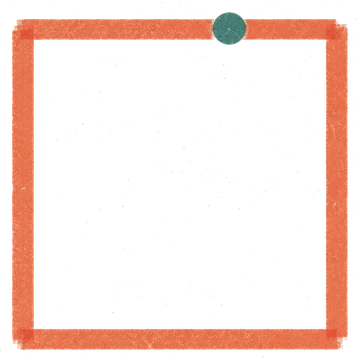 Box breathing64 s · in 4 · hold 4 · out 4 · hold 4
 4-7-8 breath76 s · in 4 · hold 7 · out 8
 Pursed-lip breath45 s · in 2 · out through pursed lips 4
Read more
 Panic attack at night: what to do when it wakes youBlog · 4 min read
 How to calm anxiety fast: five things you can start in under a minuteBlog · 3 min read
 How to get through a panic attack in public, without anyone noticingBlog · 3 min read
- Yasuma F, Hayano J. Respiratory sinus arrhythmia: why does the heartbeat synchronize with respiratory rhythm? Chest, 2004. https://doi.org/10.1378/chest.125.2.683 (accessed 30 September 2026)
- Fincham GW, Strauss C, Montero-Marin J, Cavanagh K. Effect of breathwork on stress and mental health: a meta-analysis of randomised-controlled trials. Scientific Reports, 2023. https://doi.org/10.1038/s41598-022-27247-y (accessed 30 September 2026)
- Vlemincx E, Severs L, Ramirez JM. The psychophysiology of the sigh: II: The sigh from the psychological perspective. Biological Psychology, 2022. https://doi.org/10.1016/j.biopsycho.2022.108386 (accessed 30 September 2026)
- Balban MY, Neri E, Kogon MM, et al. Brief structured respiration practices enhance mood and reduce physiological arousal. Cell Reports Medicine, 2023. https://doi.org/10.1016/j.xcrm.2022.100895 (accessed 30 September 2026)
- Riedl EM, Bracklo T, Wimmer K, et al. Simply breathing anxiety away? A pilot, just-in-time ecological momentary intervention study of one-minute cyclic sighing versus box breathing. Anxiety, Stress, & Coping, 2026. https://doi.org/10.1080/10615806.2026.2659809 (accessed 30 September 2026)
- NHS. Panic disorder. https://www.nhs.uk/mental-health/conditions/panic-disorder/ (accessed 30 September 2026)